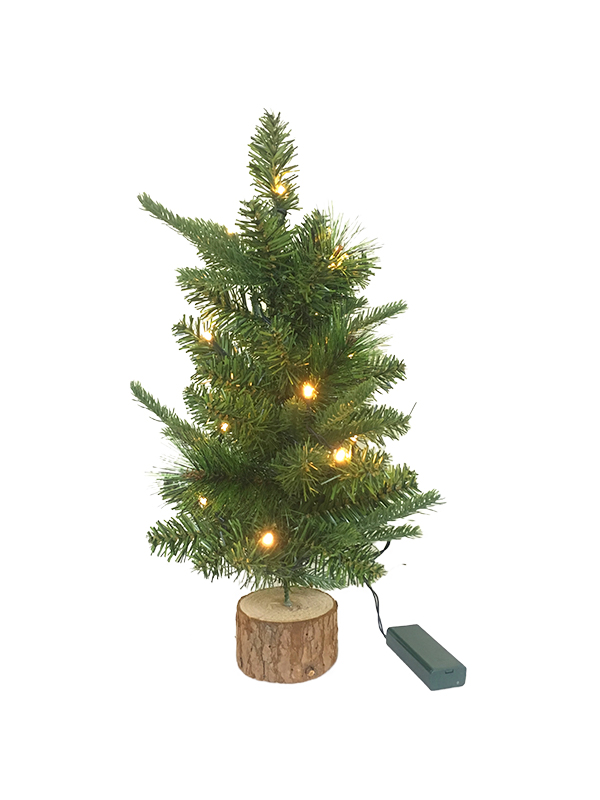
Nothing signals the start of the holiday season quite like the centerpiece of your home: the Christmas tree. Whether it’s the nostalgic scent of fresh pine filling the room or the shimmering glow of a perfectly symmetrical pre-lit spruce, the tree is the heart of our December celebrations.
However, as we become more conscious of our budgets, our busy schedules, and our environmental footprint, the age-old debate has evolved: Is a real Christmas tree still the best choice, or has the technology of Artificial Christmas Trees finally won the day?
For many, the choice is deeply personal. It’s a balance between the rustic tradition of a trip to a local farm and the modern convenience of a box stored in the attic. But beyond tradition, there are practical factors to consider—ranging from fire safety and allergy concerns to the long-term carbon footprint of your purchase.
The Timeless Appeal of Real Christmas Trees
For many, the holiday doesn't truly begin until the fresh scent of evergreen fills the home. Real Christmas trees are more than just decor; they are a multi-sensory tradition. However, owning a piece of the forest comes with unique responsibilities.
The Pros: Why We Love Real Trees
- The Iconic Fragrance: The primary reason people choose real trees is the scent. Species like the Balsam Fir produce terpenes, the organic compounds that give off that quintessential "Christmas smell" that artificial sprays can’t quite replicate.
- Environmental Benefits & Carbon Sequestration: Contrary to popular belief, most real trees are grown on specialized farms, not cut from wild forests. While growing, they act as "lungs" for the planet, absorbing CO2 and releasing oxygen. For every tree harvested, farmers usually plant 1–3 new seedlings.
- Supporting Local Economies: Buying a real tree often supports local farmers and small businesses. Choosing a "U-Cut" farm also turns the purchase into a family event—a nostalgic experience involving hayrides and hot cocoa.
- 100% Biodegradable: Once the holidays are over, a real tree can be recycled into mulch, used for erosion control, or even sunk into ponds to create fish habitats. It returns to the earth rather than sitting in a landfill.
The Cons: The Hidden Challenges
- High Maintenance & "The Needle Mess": Real trees are thirsty. A typical tree can drink up to a gallon of water a day. If you forget to water it, the needles will dry out, turn brittle, and create a constant cleaning chore for your vacuum.
- The "Hitchhiker" Factor: Because they grow outdoors, real trees can occasionally house microscopic pests like aphids, spiders, or mites. While generally harmless, they can be an unwelcome surprise once the tree warms up inside your home.
- Allergies and Sensitivities: The "Christmas Tree Syndrome" is real. Some people react to the mold spores that naturally live on the bark or the strong resins (sap), which can cause skin irritation or respiratory issues.
- Rising Annual Costs: Unlike a one-time purchase, the price of real trees has risen significantly due to transport costs and climate-related shortages. You are paying a premium every single year.
Popular Real Christmas Tree Species
Not all real trees are created equal. Here are the top choices for 2026:
| Species |
Best For... |
Key Characteristics |
| Fraser Fir |
Longevity |
Excellent needle retention; strong branches for heavy ornaments. |
| Douglas Fir |
Budget |
Very full and bushy; sweet scent, but softer branches. |
| Balsam Fir |
Fragrance |
The strongest "classic" scent; deep green color. |
| Scotch Pine |
Durability |
Stiff branches that hold needles even if the tree gets a bit dry. |
Pro-Tip: The "Freshness Test"Before buying, grab a branch and pull it toward you. If the needles stay on the branch, the tree is fresh. If they shower the ground, the tree is already dehydrating and will be a fire hazard within weeks.
The Modern Marvel: Artificial Christmas Trees
The "fake tree" has shed its plastic reputation. Today’s high-end models are engineered to be "heirloom quality," designed to last for 10 to 20 years while providing a stress-free holiday experience.
The Pros: Efficiency and Customization
- Long-Term Cost Savings: While the upfront cost is higher, an artificial tree is a one-time investment. If you spend $400 on a high-quality tree and keep it for 10 years, your annual cost is only $40—significantly less than the $80–$150 price tag of a premium real fir each year.
- Ultimate Convenience: No watering, no needle drop, and no sap on your carpet. Modern designs often feature "Flip Trees" or "Hinged Branches" that spring into place, reducing setup time from hours to minutes.
- Hypoallergenic & Pet Safe: Artificial Christmas Trees are the savior for those with "Christmas Tree Syndrome" (pollen and mold allergies). They are also safer for pets who might otherwise try to eat fallen needles or drink the bacteria-filled water from a real tree stand.
- Safety First: Most Artificial Christmas Trees are made from flame-retardant materials. Unlike a dry real tree, which can engulfed in flames in under 30 seconds, Artificial Christmas Trees are designed to resist ignition.
- Integrated Technology: The rise of Smart Trees has changed the game. You can now control your tree via Alexa or Google Assistant, changing colors from "Warm White" to "Multicolor" or scheduling light shows directly from your smartphone.
The Cons: The Trade-offs
- Storage Requirements: Unlike a real tree that disappears after New Year’s, an artificial tree requires dedicated storage space. You’ll need a large climate-controlled area (like a closet or basement) to prevent the plastic from degrading or picking up musty odors.
- The "Plastic" Look and Smell: Even the best Artificial Christmas Trees lack the natural scent. Some lower-end models can also emit a "new plastic" (VOC) smell when first unboxed.
- Upfront Investment: A truly realistic, "true-to-life" tree can cost anywhere from $300 to $1,000+, which can be a hurdle for some holiday budgets.
Understanding the Materials: PE vs. PVC
If you want your artificial tree to look real, you must understand the difference between these two materials. Most premium trees today use a Hybrid approach.
| Feature |
PVC (Polyvinyl Chloride) |
PE (Polyethylene) |
| Appearance |
Flat, "papery" needles; looks synthetic. |
3D, molded from real branches; looks lifelike. |
| Texture |
Soft but flimsy; can feel like tinsel. |
Firm and textured; mimics the "poke" of a real tree. |
| Durability |
Prone to fading and shedding over time. |
Highly durable; retains shape for decades. |
| Price |
Affordable / Budget-friendly. |
Premium / High-end. |
Expert Buying Tip: Look for a "PE/PVC Blend." These trees use PE on the outer tips for realism and PVC on the interior for fullness and "bulk," giving you the best of both worlds at a mid-range price.
Popular Styles for 2026
- Pre-lit Trees: Equipped with "PowerConnect" technology—simply stack the poles, and the lights connect automatically through the trunk.
- Flocked Trees: Coated with white "snow" for a winter wonderland aesthetic. Note: Flocking can be messy during setup.
- Space-Savers (Pencil Trees): Ultra-slim designs perfect for apartments or narrow corners.
- Fiber Optic Trees: The entire tree glows with shifting colors, eliminating the need for traditional ornaments if you prefer a minimalist look.
Environmental Impact: The Green Debate
To understand which tree is better for the planet, we have to look at their Carbon Footprint and End-of-Life Disposal.
The Real Tree: A Renewable Cycle
Real Christmas trees are essentially a "slow-growing crop," much like corn or wheat, but on a 7- to 10-year cycle.
- Carbon Sinks: While growing, these trees absorb CO2 and provide habitats for birds and insects. For every tree cut, farmers typically plant 1 to 3 new seedlings.
- Biodegradability: A real tree is 100% organic. If disposed of correctly (chipped into mulch or composted), its carbon footprint is negligible—roughly 3.5kg of $CO2.
- The Landfill Trap: CRITICAL WARNING. If you throw a real tree into a regular trash bin and it ends up in a landfill, it decomposes without oxygen (anaerobically), releasing methane gas, which is 30 times more potent than $CO2 at warming the planet. This spikes its footprint to 16kg of CO2.
The Artificial Tree: The "Break-Even" Point
The impact of an artificial tree is "front-loaded." Most of the damage happens during manufacturing (using petroleum-based PVC and steel) and shipping (usually from overseas).
- High Initial Footprint: A single 2-meter artificial tree has a carbon footprint of approximately 40kg of CO2—ten times higher than a recycled real tree.
- The 10-Year Rule: Research from the American Christmas Tree Association and other environmental groups suggests that you must reuse an artificial tree for at least 5 to 10 years to "break even" with the environmental cost of buying a real tree every year.
- Non-Recyclable: Because they are made of a complex mix of plastics (PVC/PE) and metal, Artificial Christmas Trees are almost impossible to recycle at the end of their life and will sit in a landfill for centuries.
| Factor |
Real Tree (Recycled) |
Real Tree (Landfill) |
Artificial Tree |
| CO2Emission |
~3.5 kg |
~16 kg |
~40 kg |
| Biodegradable? |
Yes |
No (mummifies) |
No |
| Best Feature |
Supports green space |
Lowers local cost |
Reusability |
| Sustainability Goal |
Always compost/chip |
Avoid at all costs |
Keep for 10+ years |
2026 Sustainable Innovations
If you are strictly eco-conscious, look for these emerging trends:
- Rental Trees: Some local nurseries now offer "Potted Tree Rentals." They deliver a living tree in a pot, and after Christmas, they take it back and replant it in the nursery or a forest. This is the most sustainable option available today.
- Recycled Materials: Brands like Balsam Hill have introduced "reNEW" collections made from 30% recycled ocean plastics, reducing the impact of new PVC production.
How to Be "Green" Regardless of Your Choice
- If you buy REAL: Source it from a local farm (to reduce "tree miles") and ensure your city has a curbside mulching program.
- If you buy ARTIFICIAL: Buy a high-quality model that you genuinely love, and commit to using it for at least a decade. If you must get rid of it, donate it to a charity or thrift store instead of throwing it away.
Cost Analysis: Short-Term Sparkle vs. Long-Term Value
Real Christmas Trees: The Annual Subscription
Buying a real tree is effectively an annual "subscription" to holiday cheer. While the entry price is lower, the hidden costs of maintenance and accessories add up.
Purchase Price: In 2026, a standard 6–7 ft. real tree (like a Fraser or Douglas Fir) typically costs between $80 and $130 depending on your region and whether you buy from a retail lot or a "U-Cut" farm.
Hidden Accessories: If you don't already own them, you’ll need:
- Tree Stand: $30 – $100 (High-capacity reservoirs for larger trees cost more).
- Tree Disposal/Recycling Fees: $0 – $20 (Some municipalities charge for curbside pickup).
- The "Mess" Tax: The cost of specialized tree bags or extra vacuuming/cleaning supplies to handle sap and needles.
Total 10-Year Estimated Cost: $1,000 – $1,500 (Factoring in 3-5% annual price inflation).
Artificial Christmas Trees: The Strategic Investment
An artificial tree is a front-loaded investment. You pay more on Day 1 to pay $0 for the next decade.
Purchase Price:
- Budget (PVC): $100 – $250.
- Mid-Range (PE/PVC Blend & Pre-lit): $300 – $600.
- Luxury (Realistic PE & Smart Technology): $700 – $1,500+.
Maintenance Costs: Almost zero, though you may spend $20 – $50 once on a heavy-duty storage bag to protect the branches and lights from dust and pests.
Total 10-Year Estimated Cost: $350 – $1,100 (Including the initial purchase and a storage bag).
The "Break-Even" Comparison
When does the artificial tree pay for itself?
| Year |
Real Tree (Cumulative) |
Artificial Tree (Mid-Range) |
| Year 1 |
$150 (Tree + Stand) |
$450 (Tree + Bag) |
| Year 3 |
$370 |
$450 |
| Year 4 |
$490 |
$450 |
| Year 10 |
$1,350 |
$450 |
The Verdict: By Year 4, a mid-range artificial tree has usually paid for itself. By Year 10, you have saved nearly $900 compared to buying a fresh tree every season.
2026 Buying Guide: How to Get the Best Value
- Timing the Market: For Artificial Christmas Trees, the best prices are always January 1st–15th (clearance) or July (Black Friday in July). For real trees, buying in the first week of December offers the best balance of price and freshness.
- Warranty Matters: When spending $500+ on an artificial tree, check the warranty on the lights. The foliage often lasts 15 years, but the integrated LEDs might only be covered for 3 years.
- Avoid "Over-Lighting": Pre-lit trees are convenient, but if one strand goes out in a low-quality model, the whole tree can go dark. Look for "Stay-Lit" or "Continuous-On" technology which ensures the rest of the strand stays lit if one bulb fails.
How to Choose the Right Tree for Your Lifestyle
Selecting a tree isn't just about "Real vs. Artificial"—it's about how that tree fits into your daily life. As we move into 2026, home trends are shifting toward intentionality and space-efficiency.
For Apartment Dwellers and Small Spaces
If you’re living in an urban loft or a cozy studio, floor space is your most valuable currency.
-
The Artificial Choice: Look for Pencil Trees or Slim Cedars. These provide the height of a traditional tree but with half the diameter. In 2026, "Half-Trees" (designed to sit flush against a wall) are also gaining popularity for narrow hallways.
-
The Real Choice: The Fraser Fir is your best friend. It has a naturally slender, conical shape and the best needle retention, meaning you won't be finding "tree skeletons" under your sofa in July.
-
Measurement Tip: Always leave at least 12 inches (30 cm) of clearance between the top of your tree (including the topper) and the ceiling to avoid a cramped look.
For Families with Pets and Toddlers
Curious paws and tiny hands can turn a Christmas tree into a safety hazard.
- The Artificial Choice: Opt for shatterproof, pre-lit models. This eliminates the risk of glass shards and loose wires. In 2026, "Parasol" or "Uplifted" trees—where the branches start halfway up the trunk—are a trending solution to keep ornaments out of reach of cats and toddlers.
- The Real Choice: Avoid trees with sharp needles like the Blue Spruce. Instead, choose a Douglas Fir or White Pine, which have softer, more pliable needles that are less likely to cause injury if bumped.
- Safety Note: Always secure your tree to a wall or ceiling with a transparent fishing line if you have a "climber" in the house.
For the Eco-Conscious Minimalist
If your priority is "Zero Waste," your strategy should be one of two extremes.
- The Living Tree: Purchase a potted evergreen that can be moved outdoors after the holidays. This is the ultimate sustainable choice, though it requires a green thumb to keep it alive indoors for 2–3 weeks.
- The Heirloom Investment: If you go artificial, buy a luxury PE (Polyethylene) tree from a reputable brand with a 10-year warranty. The goal is to make this the last tree you ever buy.
2026 Trend Spotlight: What's New?
- Smart Integrated Lighting: 2026 is the year of the App-Controlled Tree. Many Artificial Christmas Trees now come with "RGBW" LEDs that allow you to sync your tree lights to your Spotify playlist or change the color scheme from "Traditional Warm White" to "Cyberpunk Neon" with a tap on your phone.
- Nature-Inspired "Imperfect" Trees: Moving away from the "perfectly sheared" look, 2026 trends favor "Sparse" or "Alpine" styles. These trees have wider gaps between branches, designed specifically to showcase oversized or heirloom ornaments that would otherwise be hidden in a dense tree.
Sustainable Materials: Look for Artificial Christmas Trees featuring recycled ocean plastic components and organic-material ornaments (wood, felt, and dried citrus), blending modern convenience with earth-friendly textures.
Making Your Final Call
Choosing between a real and artificial Christmas tree comes down to what you value most during the holidays.
- Choose a Real Tree if: You live for the sensory experience—the smell of pine, the tradition of the farm visit, and the knowledge that your tree will return to the earth at the end of the season.
- Choose an Artificial Tree if: You value convenience, safety, and long-term financial savings. If you want a "picture-perfect" tree that looks exactly the same from the moment you set it up until the day you take it down, artificial is the way to go.
Whichever you choose, remember that the tree is simply the backdrop for the memories you make. Whether it’s made of plastic or pine, the magic comes from the people gathered around it.




 English
 Español