
Export products to over thirty countries.
Dec 17,2025 / News
As the holiday season approaches, artificial Christmas wreaths manufacturers are experiencing a noticeable increase in global demand. Retailers, wholesalers, and brand owners across North America, Europe, and other key markets are placing orders earlier than usual, reflecting both steady consumer interest and evolving purchasing patterns in the festive décor sector. This upward trend highlights the continued importance of artificial Christmas wreaths within the broader holiday decoration industry.
Content
One of the most visible changes this year is the shift toward earlier procurement. Many buyers are confirming orders months ahead of peak season to secure stable supply and avoid logistical delays. Artificial Christmas wreaths manufacturers report that advance inquiries and sample requests have increased, especially from overseas customers seeking reliable production timelines.
This early activity suggests that distributors and retailers are optimistic about holiday sales. Artificial wreaths, known for their durability and reusability, continue to appeal to both residential and commercial buyers, including hotels, shopping centers, offices, and event venues.
Artificial Christmas wreaths have gained consistent popularity over the years due to their practical advantages. Unlike natural wreaths, artificial options require no maintenance, can be stored easily, and maintain their appearance throughout the season. These benefits align well with modern consumer preferences for convenience and long-term value.
Manufacturers note that customers are increasingly viewing artificial wreaths as multi-year investments rather than single-season items. This mindset supports steady demand and encourages buyers to explore higher-quality designs with more detailed craftsmanship.
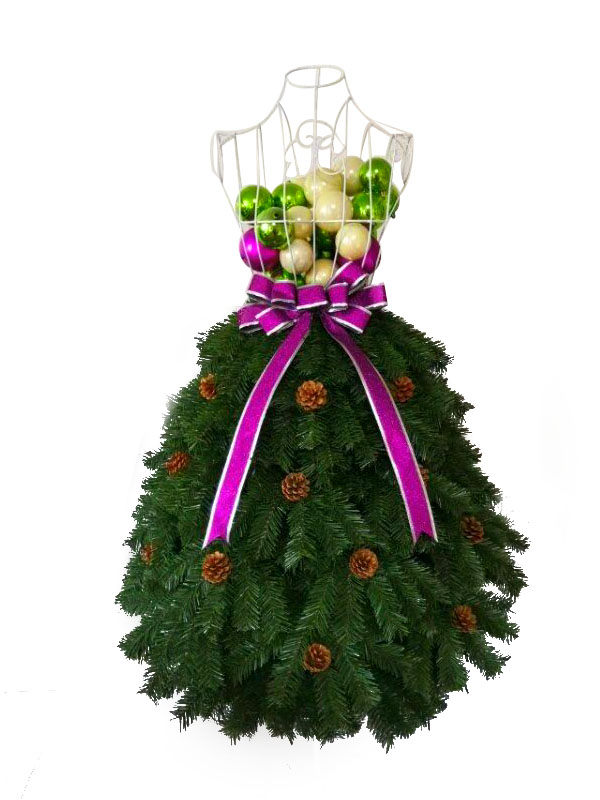
Design remains a key factor influencing purchasing decisions. Artificial Christmas wreaths manufacturers are responding to market demand by offering a wider range of styles, sizes, and decorative elements. Traditional designs featuring pine needles, red berries, and pinecones remain popular, while modern styles incorporating neutral tones, metallic accents, and minimalist aesthetics are gaining attention.
In addition, themed wreaths tailored for different markets are becoming more common. For example, European buyers often prefer understated and natural-looking designs, while North American customers tend to favor fuller wreaths with bold decorative elements. By understanding regional preferences, manufacturers are better positioned to meet buyer expectations.
Customization has emerged as an important service offered by artificial Christmas wreaths manufacturers. Buyers increasingly request private label options, custom packaging, exclusive designs, and specific color combinations. This trend is especially strong among brand owners and large retailers looking to differentiate their product offerings.
Manufacturers that can support flexible production requirements, including low minimum order quantities and efficient sampling processes, are gaining a competitive edge. Customization not only strengthens supplier-buyer relationships but also allows manufacturers to participate more deeply in product development rather than simple mass production.
International trade remains a core driver of growth for artificial Christmas wreaths manufacturers. North America continues to be one of the largest import markets, supported by strong seasonal retail demand and a well-established culture of holiday decoration. Europe also shows stable growth, with increasing interest in sustainable materials and refined design aesthetics.
Emerging markets in regions such as the Middle East, South America, and parts of Asia are also contributing to overall demand. In these regions, artificial Christmas wreaths are increasingly used in commercial spaces and public decorations, creating new opportunities for manufacturers with export experience.
With global demand rising, supply chain management has become a key focus for manufacturers. Raw materials such as PVC, PE, metal frames, and decorative accessories require careful sourcing to maintain consistent quality and pricing. Manufacturers are working closely with suppliers to ensure stable material availability throughout the production cycle.
Logistics planning is also receiving more attention. Many buyers now prioritize suppliers who can offer clear shipping schedules, secure packaging, and compliance with international standards. Manufacturers that invest in efficient warehousing and export processes are better positioned to meet tight delivery timelines during peak season.
Sustainability considerations are playing a growing role in purchasing decisions. While artificial products are traditionally associated with synthetic materials, many artificial Christmas wreaths manufacturers are making efforts to improve material efficiency and product longevity.
Reusable designs, recyclable packaging, and reduced material waste during production are becoming common discussion points between manufacturers and buyers. Although sustainability expectations vary by market, manufacturers that demonstrate responsible production practices often gain stronger trust from long-term clients.
Digital platforms have become essential tools for artificial Christmas wreaths manufacturers seeking to expand their global reach. Company websites, B2B marketplaces, and online catalogs allow buyers to review product ranges, specifications, and certifications before initiating contact.
Search engine optimization plays an important role in this process. Manufacturers that invest in clear product descriptions, updated content, and relevant industry keywords are more likely to attract qualified inquiries. As online sourcing continues to grow, a strong digital presence is increasingly linked to business development success.
As competition intensifies, quality consistency is critical. Buyers expect artificial Christmas wreaths to maintain shape, color, and structural integrity throughout the season. Manufacturers are strengthening quality control processes, including raw material inspection, in-line production checks, and final product testing.
Certifications and compliance with international safety standards also contribute to buyer confidence, particularly for products sold in large retail chains. Reliable quality performance helps manufacturers build repeat business and long-term partnerships.
Looking ahead, artificial Christmas wreaths manufacturers generally remain optimistic about the upcoming holiday season. While external factors such as freight costs and currency fluctuations continue to influence international trade, overall demand shows positive momentum.
Manufacturers that focus on design innovation, customization, stable supply chains, and clear communication with buyers are well-positioned to benefit from current market conditions. As holiday décor remains an important category for retailers worldwide, artificial Christmas wreaths are expected to retain their role as a core seasonal product.
Our company was Established in 2003, it has been over 20 years.

NO.16, Xiaren Industrial District, Jinting Town, Shengzhou, Shaoxing City, Zhejiang Province, China.

+86-0575-83160278

 English
 Español