
Export products to over thirty countries.
Dec 24,2025 / News
As the holiday season approaches, Christmas garlands become a central part of festive decorations in homes, offices, and public spaces. These beautiful, seasonal decorations have evolved over the years, with factories adapting to meet the growing demand. The holiday rush poses unique challenges and opportunities for Christmas garlands manufacturers. In this article, we explore how these factories are gearing up for the busy holiday season and the strategies they employ to ensure the production of high-quality, attractive garlands that will adorn homes around the world.
Content
Christmas garlands have been a staple of holiday decor for generations. Traditionally made from evergreen foliage, they are now crafted from a wide range of materials, including plastic, silk, and even LED-lit elements. With increasing consumer interest in both classic and modern designs, Christmas garlands manufacturers must navigate changing trends, evolving customer preferences, and growing global demand.
The global Christmas decorations market has been on an upward trajectory, fueled by both retail and wholesale demand. According to industry reports, the demand for decorative items like Christmas garlands spikes significantly in the months leading up to the festive season. Factories that specialize in producing these items face the dual challenge of maintaining high production volumes while ensuring product quality and timely delivery.
The holiday season starts months in advance, and factories need to anticipate the volume of orders they will receive. Accurate demand forecasting is a crucial aspect of preparing for the holiday rush. Christmas garlands manufacturers work closely with retailers, wholesalers, and distributors to gather insights on market trends, consumer preferences, and expected sales volumes.
Using this information, factories can adjust their production schedules and allocate resources accordingly. Production planning involves determining the required raw materials, labor, and machine time to meet expected demand. Manufacturers often ramp up operations in early summer, long before the first leaves of autumn begin to change colors. By planning production early, they can avoid last-minute delays and supply chain bottlenecks.
The materials used in Christmas garlands play a significant role in determining the final product's quality and appearance. Traditional garlands are made from evergreen materials like pine, fir, and spruce. However, synthetic garlands made from plastic or PVC are now popular for their durability, cost-effectiveness, and variety of designs.
Factories that produce high-quality garlands focus on sourcing premium materials. For example, high-grade plastic needles, realistic faux pine branches, and LED lights are key components of many garlands. To prepare for the holiday rush, factories must place bulk orders for these materials well in advance. This is particularly important for items like LED lights, which can have long lead times due to global shortages or supply chain disruptions.
In addition to materials like plastic and LED lights, some factories also source decorative elements such as ribbons, pinecones, berries, and artificial snow to enhance the appearance of their garlands. The timely procurement of these materials ensures that production runs smoothly and that the final products meet the aesthetic and functional requirements of consumers.
Efficiency is critical during the busy holiday season. Christmas garlands factory utilize a combination of manual labor and automated machinery to speed up production while maintaining quality standards.
Modern manufacturing techniques, such as automated cutting and assembly lines, help streamline the production process. These machines can cut garland materials to precise lengths, insert wires for shaping, and even attach decorative elements like bows and pinecones. Automation helps reduce human error and improves consistency, especially for large-scale production runs.
At the same time, many Christmas garlands manufacturers rely on skilled workers for more intricate tasks, such as assembling hand-tied bows or carefully arranging artificial foliage. While machines handle repetitive tasks, human expertise is essential for achieving the delicate details that make each garland special.
Factories often implement additional quality control measures to ensure that every product meets the desired specifications. This includes inspecting the strength of the garland’s wire frame, testing the durability of the materials used, and checking for even distribution of decorative elements.
As consumer preferences evolve, Christmas garlands manufacturers are continually expanding their product offerings to meet new demands. While traditional green garlands remain popular, many consumers are now seeking unique, customizable, and eco-friendly options.
Customization and Personalization:
One trend that has gained traction is the desire for customized garlands. Many consumers now prefer to personalize their decorations with specific colors, styles, or themes. Some manufacturers are offering the option to create bespoke garlands with personalized messages, color schemes, or added features like monogrammed ornaments or custom-sized garlands for larger spaces.
Eco-Friendly Options:
As sustainability becomes a priority for more consumers, factories are responding by introducing eco-friendly materials in their garlands. Biodegradable, recycled, and sustainable materials are increasingly being used in the production of garlands, from the base structure to decorative elements. This has become an important factor in appealing to environmentally conscious customers.
Innovative Lighting:
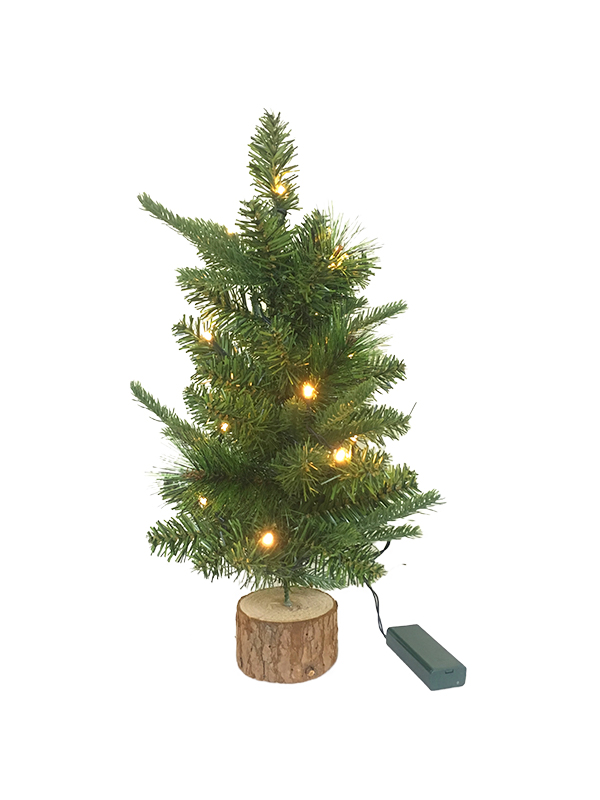
LED lights are a key feature of many modern garlands. With advancements in LED technology, manufacturers can now produce garlands that are not only more energy-efficient but also feature various light settings and colors. Some garlands come with battery-operated lights, making them perfect for spaces without convenient access to electrical outlets.
Pre-Decorated Garlands:
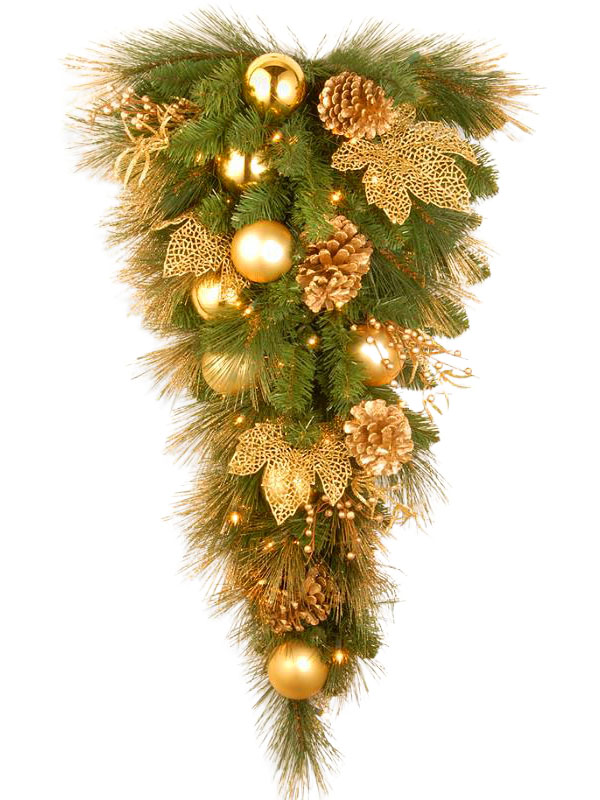
Another growing trend is the demand for pre-decorated garlands that save time for consumers. These garlands come fully adorned with ornaments, ribbons, and lights, making them ready to hang as soon as they are purchased. This is particularly appealing for busy households or commercial establishments that want to decorate quickly and efficiently.
As the production of Christmas garlands ramps up, manufacturers must also ensure that their logistics and distribution networks are prepared for the holiday rush. With a global market for holiday decor, factories often ship their products internationally, requiring careful coordination with shipping partners to meet delivery deadlines.
Factories typically work with a range of logistics providers, from local delivery services to global shipping carriers, to ensure timely distribution of products. During the holiday season, transportation costs can rise, and shipping schedules become tighter. Factories must account for these challenges when planning their shipping timelines to ensure that products arrive at stores and warehouses in time for the holiday season.
Some manufacturers also offer drop-shipping services, where products are shipped directly from the factory to consumers. This model is particularly popular in e-commerce, where online retailers can avoid storing large quantities of stock and instead rely on factories to fulfill orders on-demand.
Ensuring that Christmas garlands reach retailers and customers on time is crucial for factories. Late deliveries can lead to missed sales opportunities, and consumers expect to have their decorations ready well before Christmas Eve.
To mitigate the risk of delays, factories build buffer time into their production schedules and closely monitor the progress of each order. Some factories also offer expedited shipping options to help customers who need their garlands quickly.
Our company was Established in 2003, it has been over 20 years.

NO.16, Xiaren Industrial District, Jinting Town, Shengzhou, Shaoxing City, Zhejiang Province, China.

+86-0575-83160278

 English
 Español